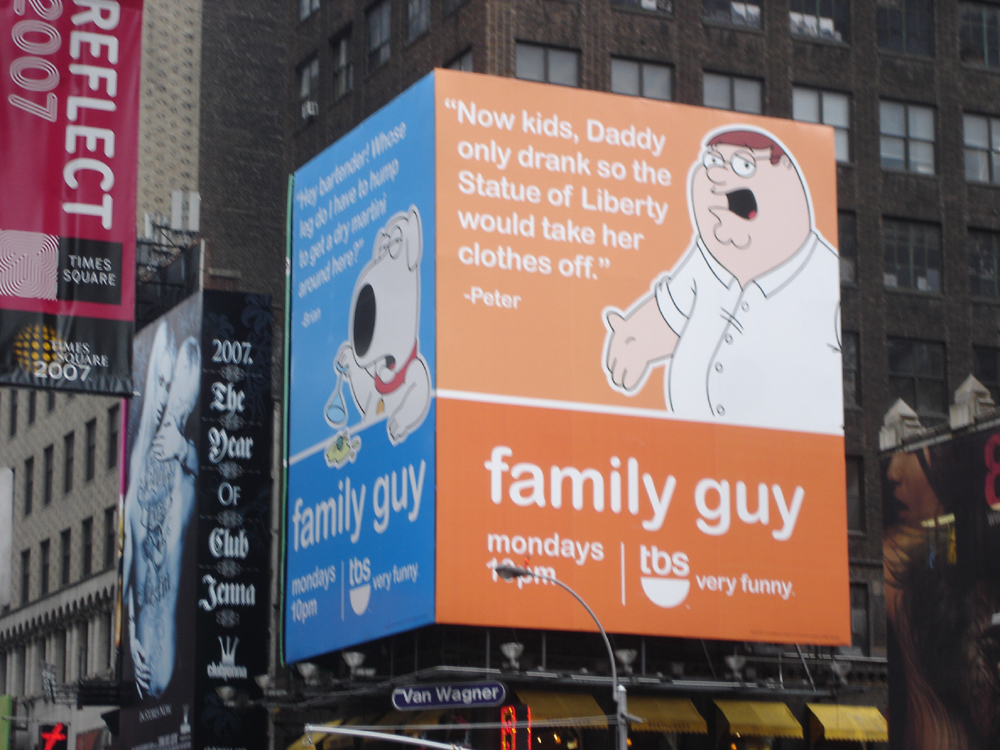
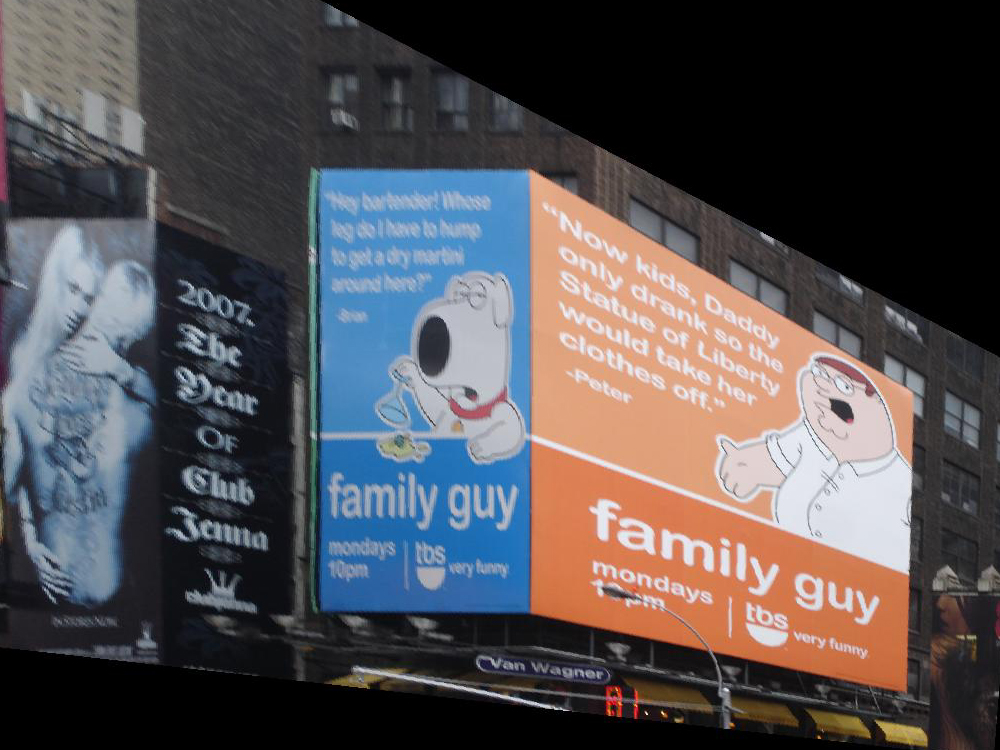
The basic image warping requires four pairs of corresponding points to obtain a homography transformation matrix by Least Squared Estimation, and maps the image to a square or rectangle by the computed homography. Here is a picture taken in New York. Select the blue billboard and map it to a 212×445 rectangle. For simplicity, I will give the four corresponding points I selected, which are connected to a polygon: (294, 173), (434, 67), (434, 621), (285, 663).
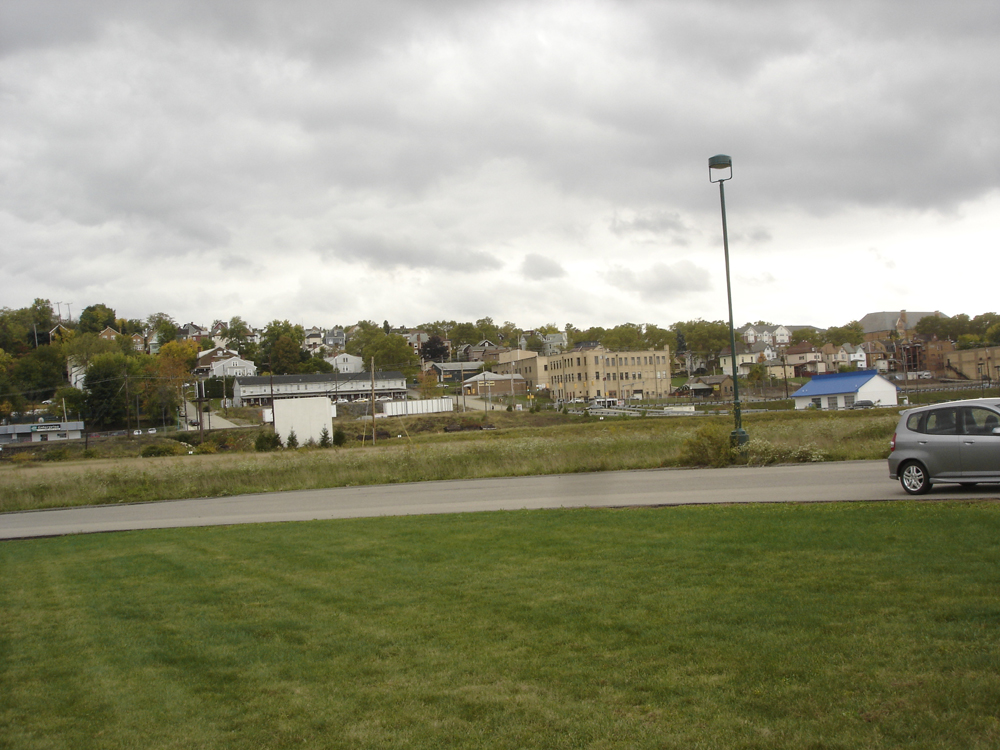
By image warping, we can achieve mosaicing of multiple images. Here are three images taken at the Waterfront. You are supposed to select the middle image as reference, and warp other images to the reference image by "feature matching" which has been settled in the previous project. You can use SIFT, KLT or other features you think robust.
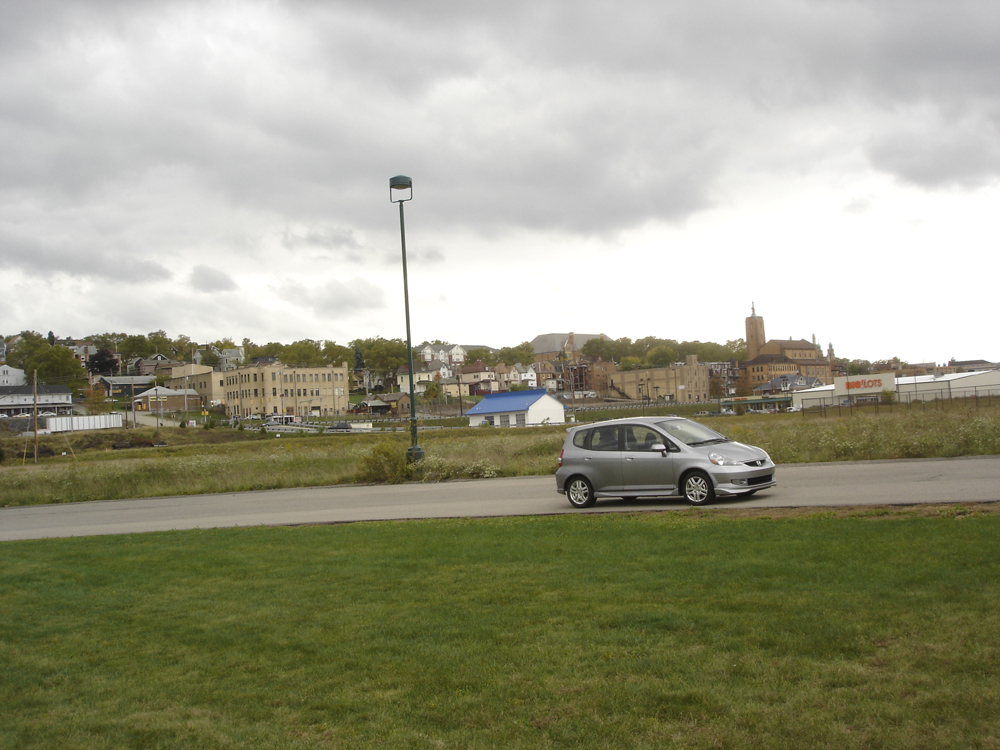
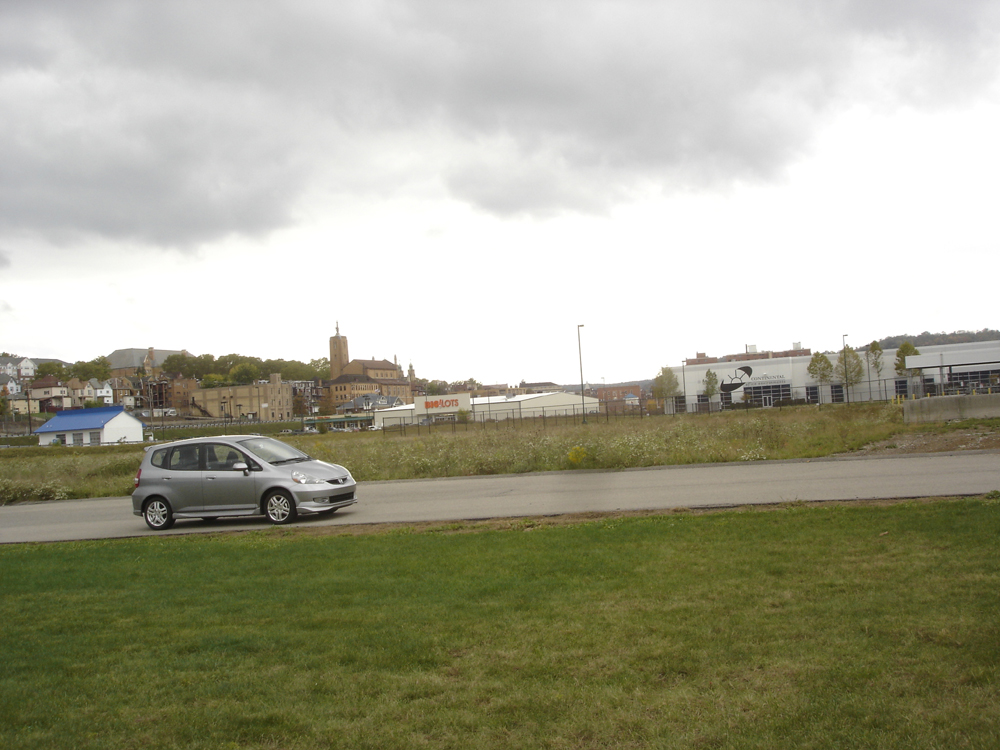
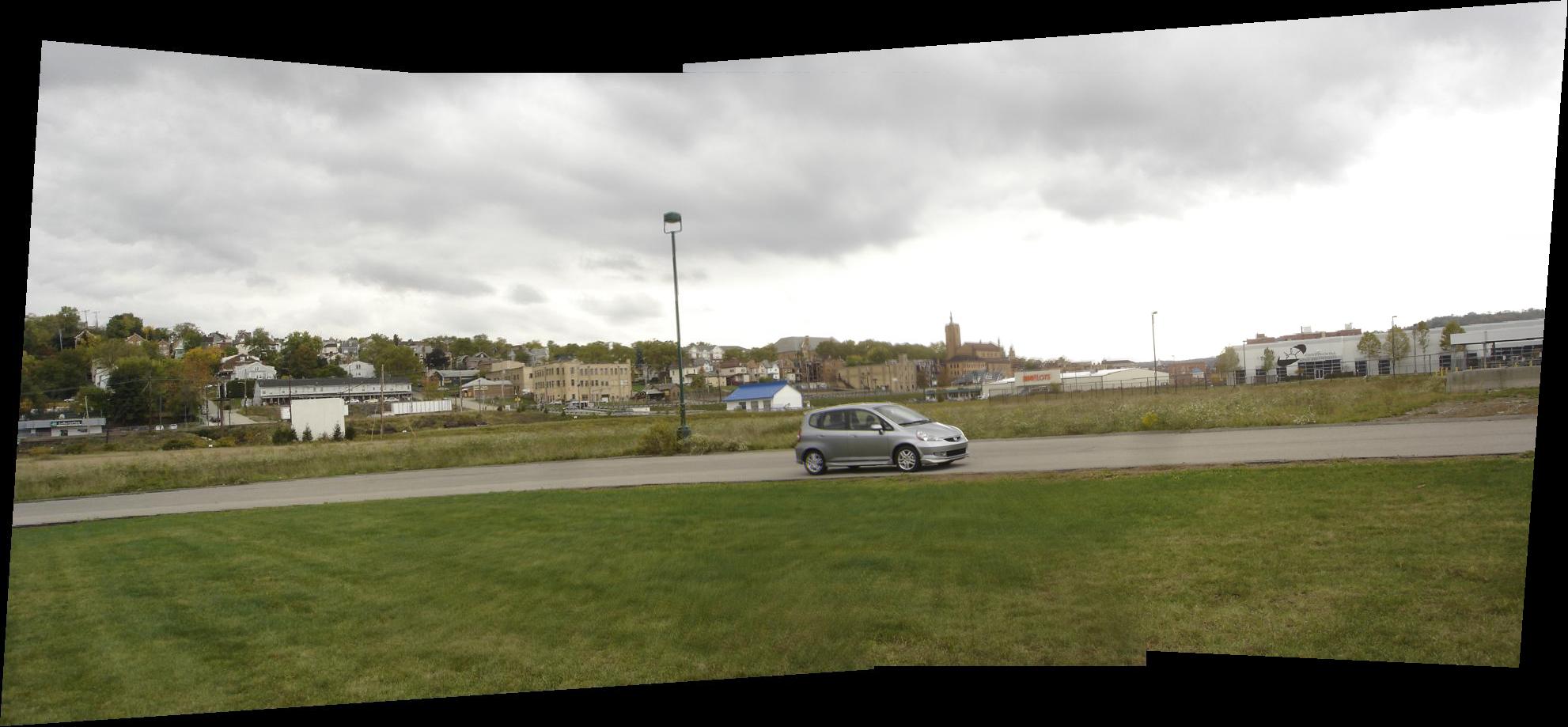
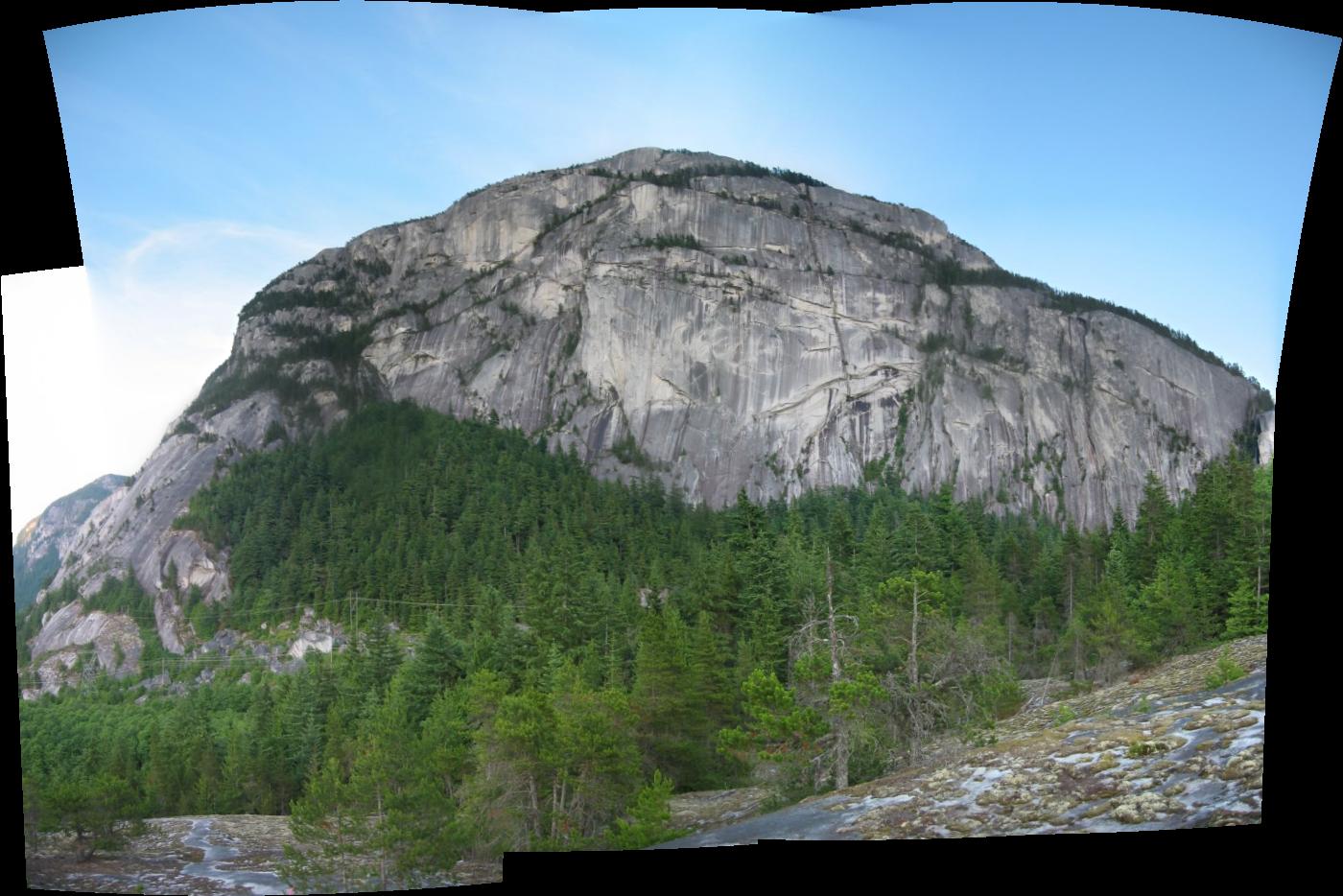
You can also test on the following "Mountain" data set, which was downloaded from AutoStitch Website:
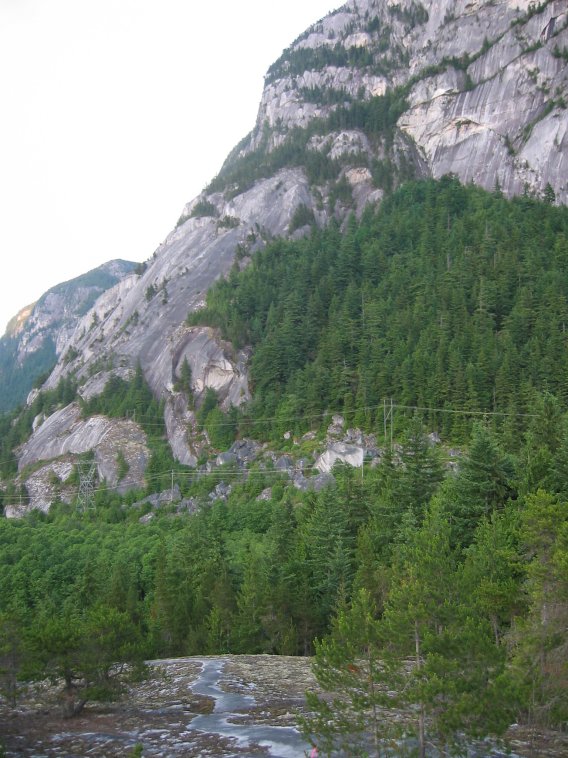
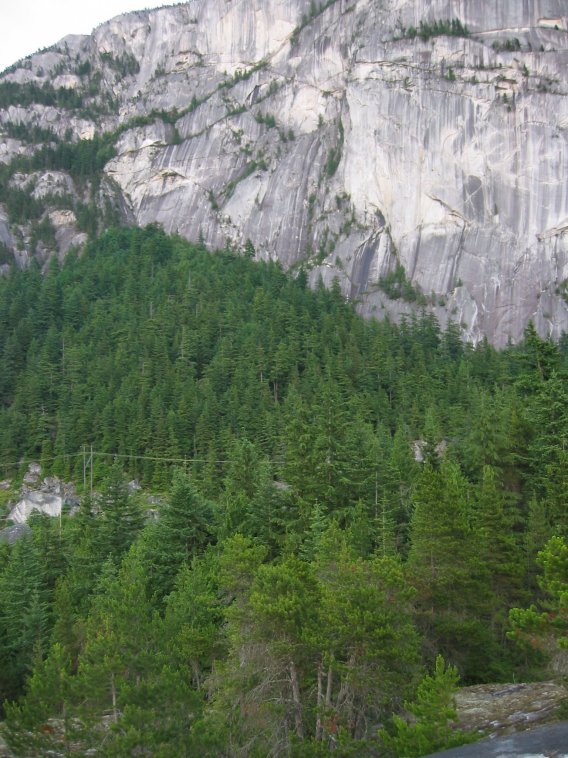
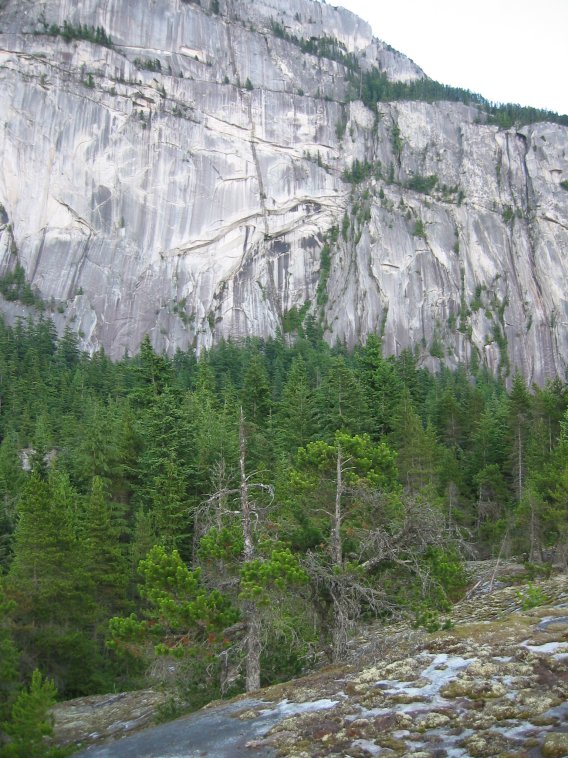
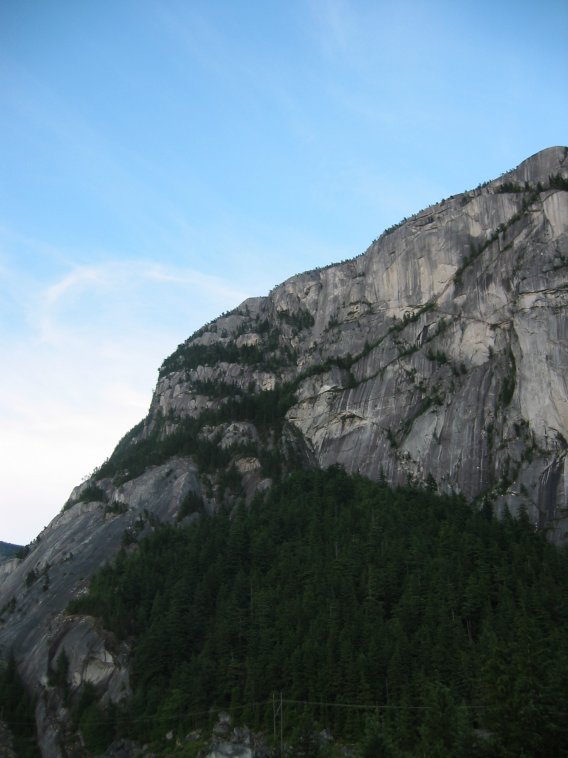
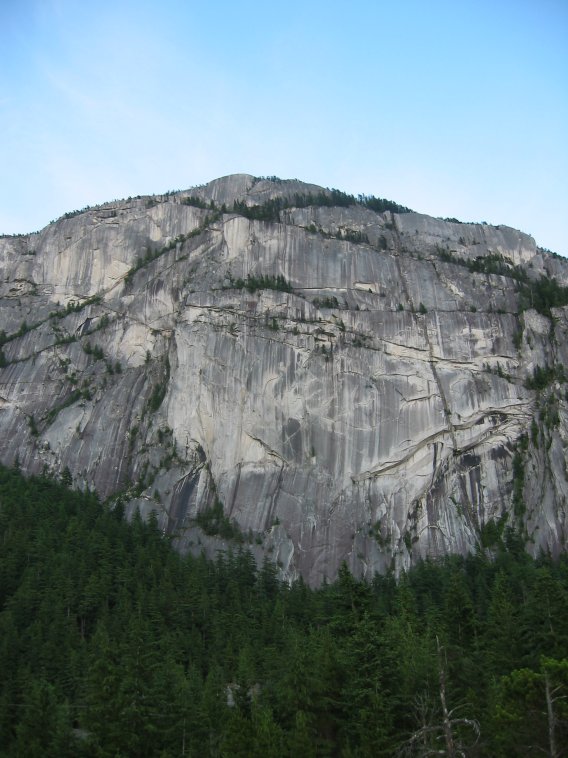
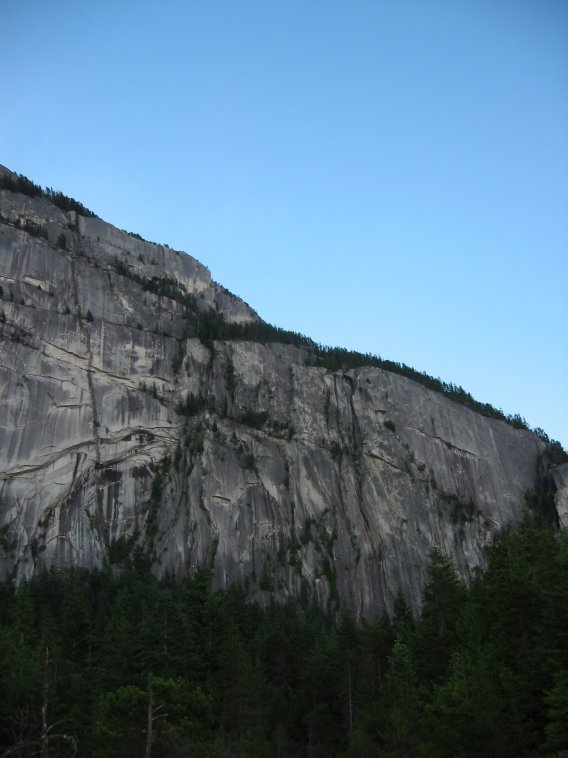
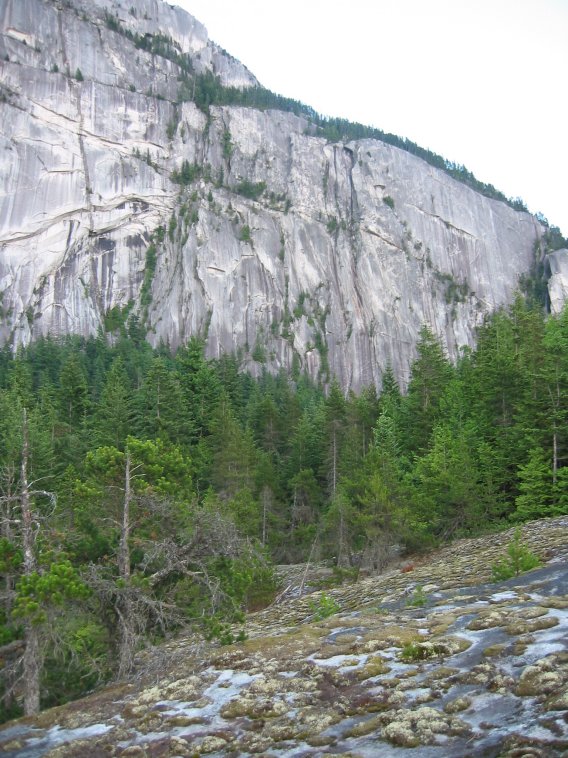
For feature matching, you are referred to:
KLT Webpage: http://www.ces.clemson.edu/~stb/klt/
SIFT Webpage:
Using one image as reference for warping is sometimes unrobust. To better stitch the images, we might need to matching each pair of images and estimate their intrinsic and rotation parameters for better warping. Please implement the Bundle Adjustment in [3] and test on the "Mountain" data set to achieve better stitching result.
If you want more perfect result with no color difference among the intersection regions, you can further implement the Multi-Band Blending in [3] for the "Mountain" data set, and compare with the result by the "AutoStitch" Software, which is as follows: